Metal Systems That Handle Decades of Exposure
Standing Seam Metal Roofs in Norman for properties where long-term durability and clean lines matter
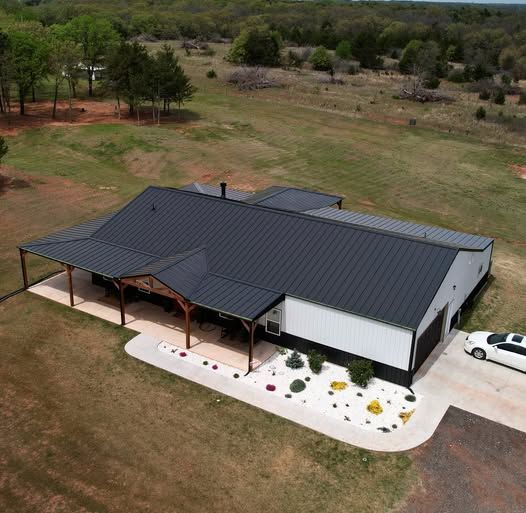
Standing seam metal roofing changes how water, hail, and wind interact with a roof surface through continuous panels that run from ridge to eave without horizontal seams, while raised vertical joints lock panels together and conceal all fasteners beneath the seam caps. The system works particularly well on properties where roof visibility is high, maintenance access is limited, or lifespan expectations extend beyond typical shingle replacement cycles. Morain Roofing Solutions installs standing seam panels on residential and light commercial structures across Norman, Yukon, Mustang, and surrounding areas where the system's ability to shed debris and resist Oklahoma's hail makes it a practical choice beyond the visual appeal of clean metal lines.
The raised seam construction creates a thermal break that allows panels to expand and contract with temperature changes without stressing fasteners or creating leaks, because clips underneath the seams hold panels in place while permitting horizontal movement. Proper installation requires specialized equipment to form seams on-site or careful handling of pre-formed panels, attention to thermal expansion allowances at panel ends, and coordination with flashing details at roof penetrations where metal transitions to other materials.
Schedule an on-site consultation to review panel profiles and discuss whether your roof structure supports a metal system.
Why Raised-Seam Construction Works for Weather Protection
Standing seam panels sit flat between the raised ribs, creating a smooth surface that sheds water quickly and prevents debris accumulation that can trap moisture or encourage organic growth, while the concealed fastening eliminates the exposed screw penetrations that create maintenance points on through-fastened metal roofs. Panel width, seam height, and clip spacing all affect wind uplift resistance and how the roof responds to thermal cycling, with wider panels covering area faster but requiring more precise substrate preparation.
Once installation is finished, you notice a roof surface free of visible fasteners, with consistent seam lines that follow the roof slope and create a geometric pattern across planes and transitions. The metal reflects rather than absorbs impact energy from hail, so dents may appear during severe storms but the system typically maintains its weather barrier where shingles might crack or lose granules, and the absence of organic material means no algae staining or moss growth in shaded areas.
Color selection extends beyond aesthetic preference to include reflectivity and how finishes hold up under ultraviolet exposure in Oklahoma's high summer sun. Not every roof pitch suits standing seam installation, and some architectural styles clash with the contemporary lines metal panels create, so the decision involves matching system benefits to property needs rather than assuming metal works everywhere.
Common Questions About This Service
Property owners considering metal roofing usually want to understand installation differences, performance expectations, and long-term considerations before committing to the system.
What roof pitches work with standing seam panels?
Minimum slope requirements typically start at 3:12, though some profiles and underlayment combinations allow installation on pitches as low as 2:12 if proper waterproofing measures are added beneath the metal.
How does metal roofing handle Norman's hail?
Standing seam panels resist puncture better than shingles and maintain their weather seal even when dented, though visible cosmetic damage may occur during severe hailstorms depending on panel gauge and whether impact-resistant coatings are applied.
What noise levels should I expect during rain?
Properly installed metal roofs over solid sheathing with adequate attic insulation produce noise levels comparable to shingle roofs, because the sound dampening comes from the substrate and insulation rather than the roofing material itself.
How long do standing seam roofs last?
Panel lifespan often exceeds forty years depending on coating quality and environmental exposure, with factory finishes typically warranted for decades against fading and chalking, making metal a lower-lifecycle-cost option despite higher initial installation expense.
Can metal panels be installed over existing shingles?
While some through-fastened metal systems allow installation over old roofing, standing seam panels perform best over smooth, solid sheathing where panel flatness and seam alignment can be controlled, usually requiring complete tear-off of existing materials.
Morain Roofing Solutions evaluates structural capacity, pitch requirements, and aesthetic fit before recommending standing seam systems, because not every property benefits equally from metal roofing despite the material's performance advantages. Call (405) 227-1927 to review panel samples and discuss whether a metal roof aligns with your property's needs and design direction.